Originally composed by Luiz Bonfá for the 1959 Brazilian film Black Orpheus, Manhã de Carnaval has become one of the most beloved and recognizable melodies in Latin music history.
The song is synonymous with love, sorrow, and the fleeting beauty of life—fitting themes for Rieu, whose performances always carry a deep emotional weight.
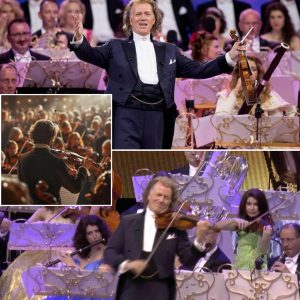
With his orchestra providing a lush, sweeping backdrop, Rieu’s violin took center stage, bringing a haunting beauty to the piece.
Unlike many renditions that focus solely on technical brilliance, his version embraced the heart of the song—slow, tender, and achingly poetic.

Each note seemed to shimmer, evoking images of sunlit mornings in Rio, of lost loves, of carnival celebrations that fade into bittersweet memories.
As the final, lingering note faded, the audience sat in silence for just a moment—long enough to absorb the magic of what they had just witnessed—before breaking into thunderous applause. André Rieu had done it again, turning a timeless melody into an unforgettable experience.
For those lucky enough to hear him perform Manhã de Carnaval, it was more than music. It was a dream, a memory, a moment suspended in time.